GEOTECHNICAL ENGINEERING
BILLINGS
HomeIn-Situ TestingField permeability test (Lefranc/Lugeon)

Field Permeability Testing You Can Trust in Billings, MT

Evidence-based design. Reliable delivery.

LEARN MORE

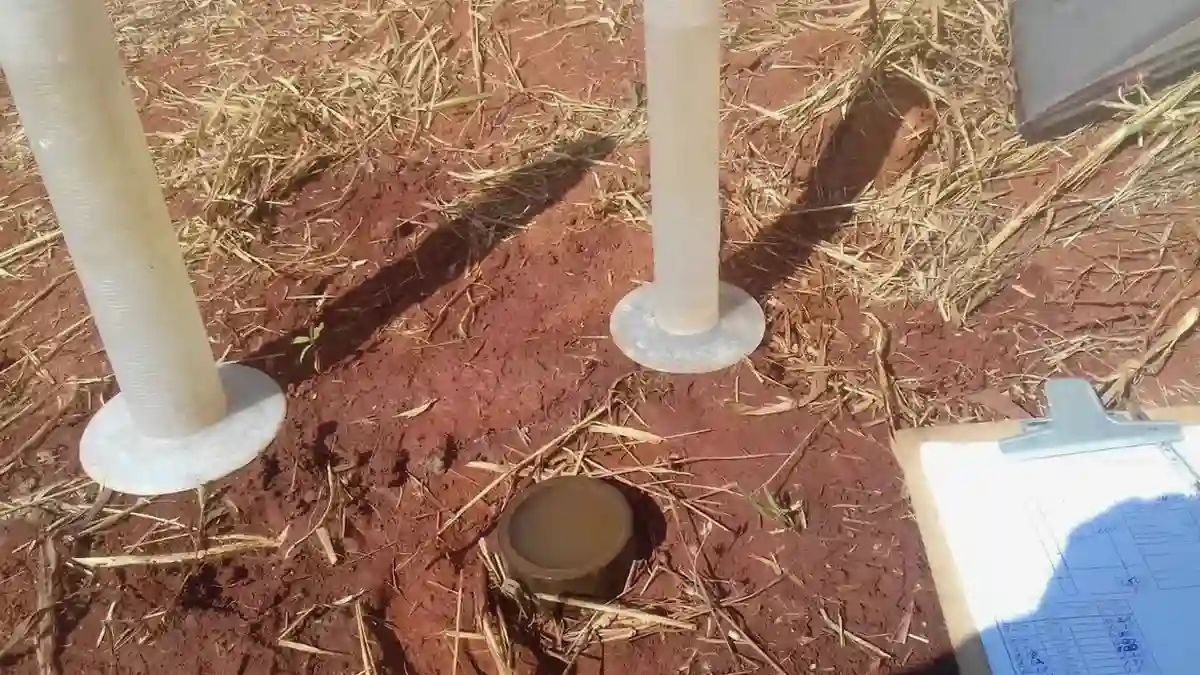
We see it too often. A contractor sinks a foundation near Alkali Creek, hits sandstone with hidden fractures, and the sump pump runs nonstop after the first heavy rain. They skipped the field permeability test. In Billings, where the Rimrock sandstone meets alluvial clay, guessing the hydraulic conductivity is a gamble you don't want to take. Our lab runs Lefranc and Lugeon tests to give you real numbers before concrete hits the ground. We also pair these with grain size analysis when we need to cross-check the fines content from borehole cuttings. The combination tells you if that sandy silt layer will actually drain or just hold water against your wall. Getting the packer set right in a fractured zone isn't easy, but our crew has done it across Billings from the Heights to South Side without losing a hole.

A Lugeon value below 3 in Rimrock sandstone usually means you need a grout curtain. Above 10 and you are in full drainage territory.
Our service areas

Our approach and scope

IBC Chapter 18 and ASTM D6391 lay out the procedure, but the real challenge in Billings is the interbedded geology. You hit a claystone seam and the flow drops to near zero. Then the bit breaks into open sandstone and you lose your circulation. That's exactly where the Lugeon test earns its keep. We isolate those intervals with a pneumatic packer and measure water take under pressure steps. For shallow pits and sandy overburden, we run the Lefranc method with a falling head setup. Our crew also brings in the CPT test when we need a continuous pore pressure profile to pick the exact test zones before we even set the packer. For deeper foundation work where rock quality matters, we often suggest starting with seismic refraction to map the top of bedrock across the site. It prevents wasting test intervals in weathered zones that won't hold a seal. Our lab is ISO 17025 accredited and we calibrate pressure transducers at the start of every job.
Field Permeability Testing You Can Trust in Billings, MT
Technical reference — Billings

Local geotechnical context

Billings sits at about 3,100 feet above sea level on the Yellowstone River floodplain and adjacent benchlands. The June 2022 flood event was a wake-up call. It pushed the river to nearly 15 feet, just shy of the 1937 record of 15.4 feet. That kind of overbank flow saturates the alluvial gravels fast. If your site is anywhere near the river corridor, from Coulson Park down to South Billings Boulevard, hydrostatic pressure is not theoretical. It shows up in your excavation. A proper field permeability test tells you if your dewatering system needs wellpoints or just a sump. We also run the liquefaction assessment for sites in the alluvial plain because the USGS maps show moderate to high susceptibility along the valley floor. Combine a high water table with loose saturated sands, and you have a scenario Seed and Idriss described decades ago that still applies here today.

Need a geotechnical assessment?

Reply within 24h.

Email: contact@geotechnicalengineering.biz

Watch the video

Relevant standards

ASTM D6391 - Standard Test Method for Field Measurement of Hydraulic Conductivity Using Borehole Infiltration, IBC Chapter 18 - Soils and Foundations, USBR Earth Manual - Design Standards for Embankment Dams

Technical data

ParameterTypical value
Test standardASTM D6391 (Lugeon), Lefranc (falling/constant head)
Packer typeSingle or double pneumatic, 50-150 psi inflation
MeasurementDigital flowmeter and pressure transducer, 1-second logging
Test intervalTypically 3 to 10 feet, isolated between packers
Pressure stepsLow-medium-high-medium-low (Lugeon standard cycle)
Water sourceClean potable water, metered from tanker truck
ReportingLugeon values, hydraulic conductivity (cm/s), and transmissivity plots

Q&A

How much does a field permeability test cost in Billings?

For a standard Lefranc test in a test pit or a single Lugeon interval, budget between US$560 and US$960. The final number depends on access, depth, and whether we need a drill rig on site. We give you a fixed quote after reviewing your boring logs.

When does a Lugeon test make more sense than a Lefranc test?

Lugeon is for rock. If you are drilling into the Rimrock sandstone, a Lefranc test in open hole won't give you reliable data because the borehole wall collapses or you lose water into multiple fractures. The packer isolates a specific interval so you measure the fracture network, not the whole hole.

How long does a single test interval take on site?

A single Lugeon interval with five pressure steps takes about 45 to 60 minutes once the packer is set. We need steady flow at each step. If the rock is very tight, we wait longer to confirm the reading isn't drifting. You should plan for two to three good intervals per day with rig setup and breakdown included.

Location and service area

We serve projects in Billings and surrounding areas.

View larger map